
At Luzerner Kantonsspital in Lucerne, Switzerland, XiltriX brings IVF incubators, cryogenic storage and laboratory conditions into one environmental monitoring solution, with continuous documentation and alarms handled by the hospital’s own team.
A new IVF laboratory represents much more than a modern clinical environment. It is an investment in the future of reproductive medicine, in the people who work every day to make parenthood possible, and in the trust patients place in their care.
At Luzerner Kantonsspital (LUKS), the development of a new IVF laboratory provided an opportunity to rethink how critical laboratory conditions are monitored, documented and managed. Working closely with XiltriX, the hospital implemented an integrated environmental monitoring solution designed around the specific needs of its reproductive medicine department.
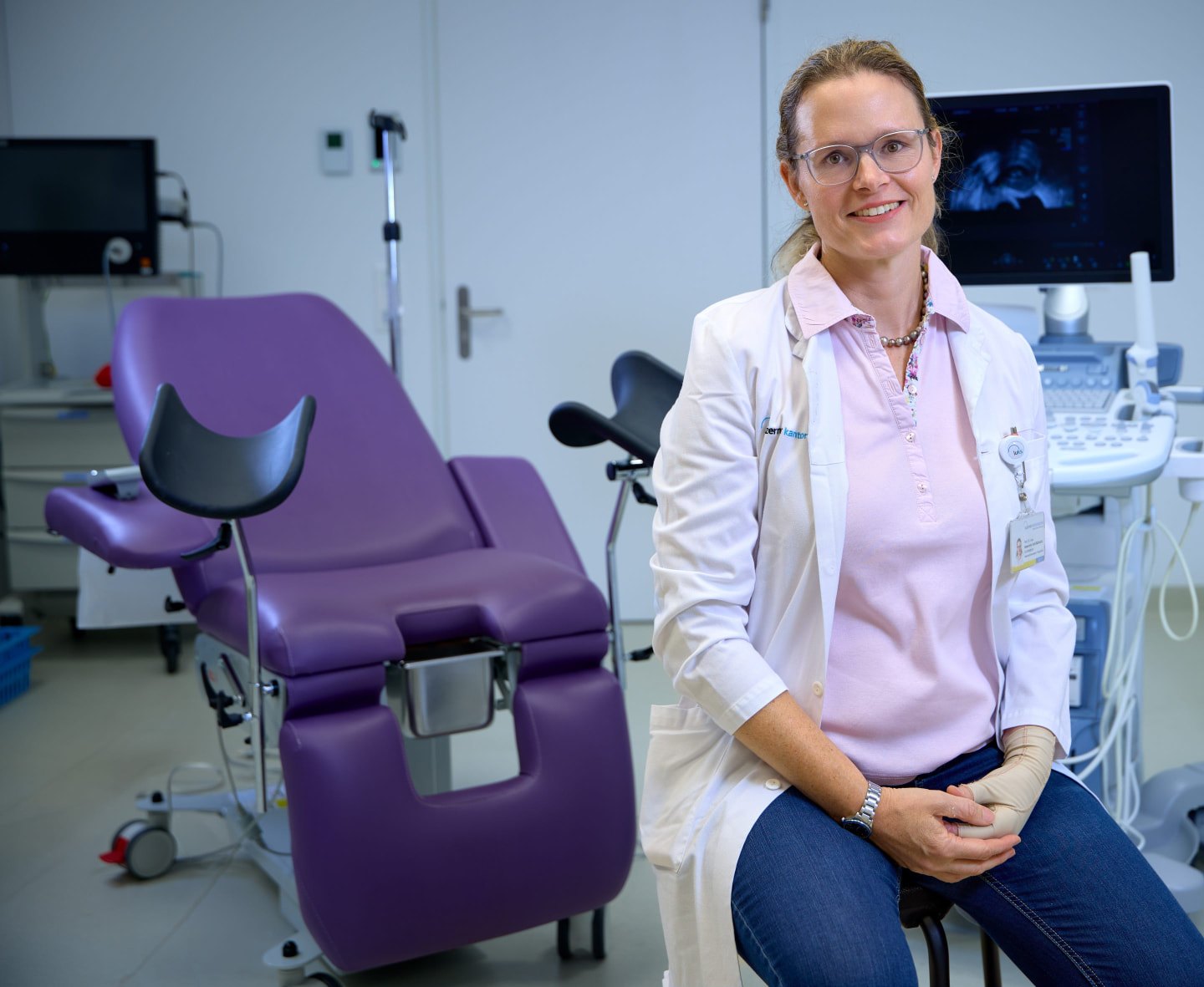
For Prof. Dr. med. Alexandra Kohl Schwartz, eMBA, Head of Reproductive Medicine, and Gyöngyvér Téglás, MSc, Co-lead of the IVF laboratory, the project was about creating the right conditions for their teams to deliver high-quality care, today and in the years ahead.
A new beginning: building for the future
Luzerner Kantonsspital is a major university teaching and research hospital in central Switzerland. Its new hospital development, bringing together the children's hospital and women's clinic, represents an important investment in the future of healthcare in the region.
Within this development, the new IVF laboratory provides a modern environment for reproductive medicine, bringing together specialised equipment, clinical expertise and highly controlled laboratory processes.
For Alexandra Kohl Schwartz, the ambition is clear: maintaining the highest possible quality throughout every stage of the patient journey.
"The main challenge is to maintain high quality throughout all the processes we perform. And, of course, in the IVF laboratory, we have to make sure that the conditions remain stable."
For her, the laboratory is an essential part of a much bigger purpose: helping couples achieve their dream of having a child.
The new facility offered an opportunity not only to modernise the physical environment, but also to establish a more integrated approach to monitoring the critical conditions on which the laboratory depends.
Behind every IVF treatment, there is a delicate process
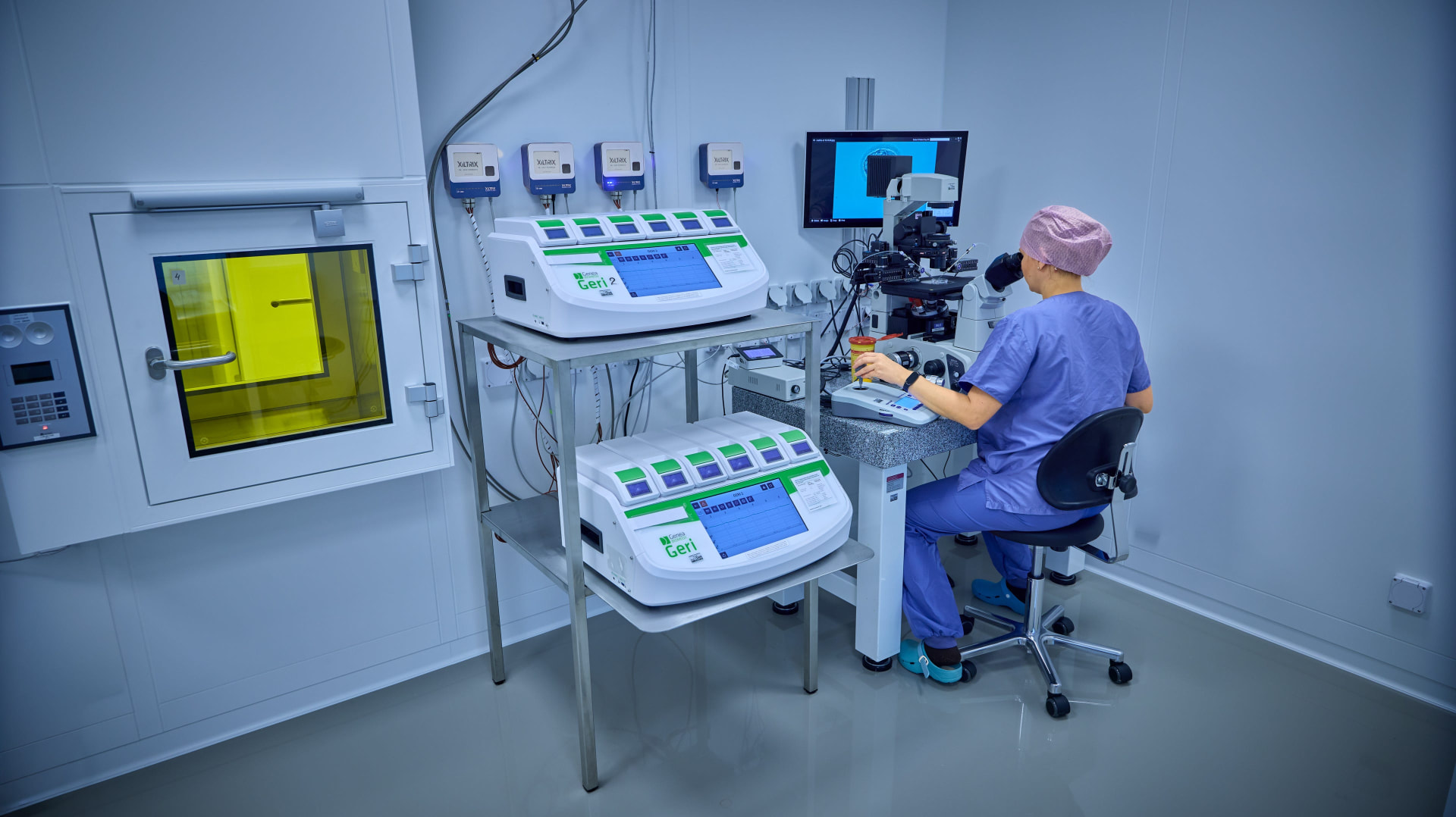
Inside an IVF laboratory, highly specialised teams work with some of the most valuable biological material a patient can entrust to a hospital.
Egg cells are fertilised and embryos are cultured outside the woman's body under carefully controlled conditions. Suitable embryos may subsequently be transferred, while additional embryos can be cryopreserved for future treatment.
For the embryologists responsible for these processes, maintaining stable environmental conditions is essential.
"We need to mimic the natural environment of the woman's body. This means keeping all the environmental factors very stable."
Temperature, gas concentrations, osmolarity and air quality need careful attention. IVF incubator monitoring considers temperature alongside carbon dioxide (CO₂), which helps maintain the culture medium's pH, and oxygen (O₂), controlled according to the culture protocol.
Across IVF laboratories, equipment may include benchtop and time-lapse incubators, heated plates and cryogenic storage tanks. Liquid nitrogen (LN₂) maintains low temperatures for cryopreserved reproductive material, making cryogenic storage monitoring a long-term counterpart to monitoring embryo culture.
Even relatively small changes in environmental conditions can influence the laboratory processes and potentially affect treatment outcomes.
"Every small difference in the environment can have a huge effect on the outcome of the treatment."
This makes environmental monitoring an integral part of the laboratory's daily work, rather than simply another technical requirement.
The challenge: bringing everything together
Before the new installation, monitoring and documentation were spread across several different systems.
Some equipment could not be monitored continuously, while other measurements were recorded at intervals rather than in real time. This made it more difficult to maintain a complete overview of the laboratory's critical conditions.
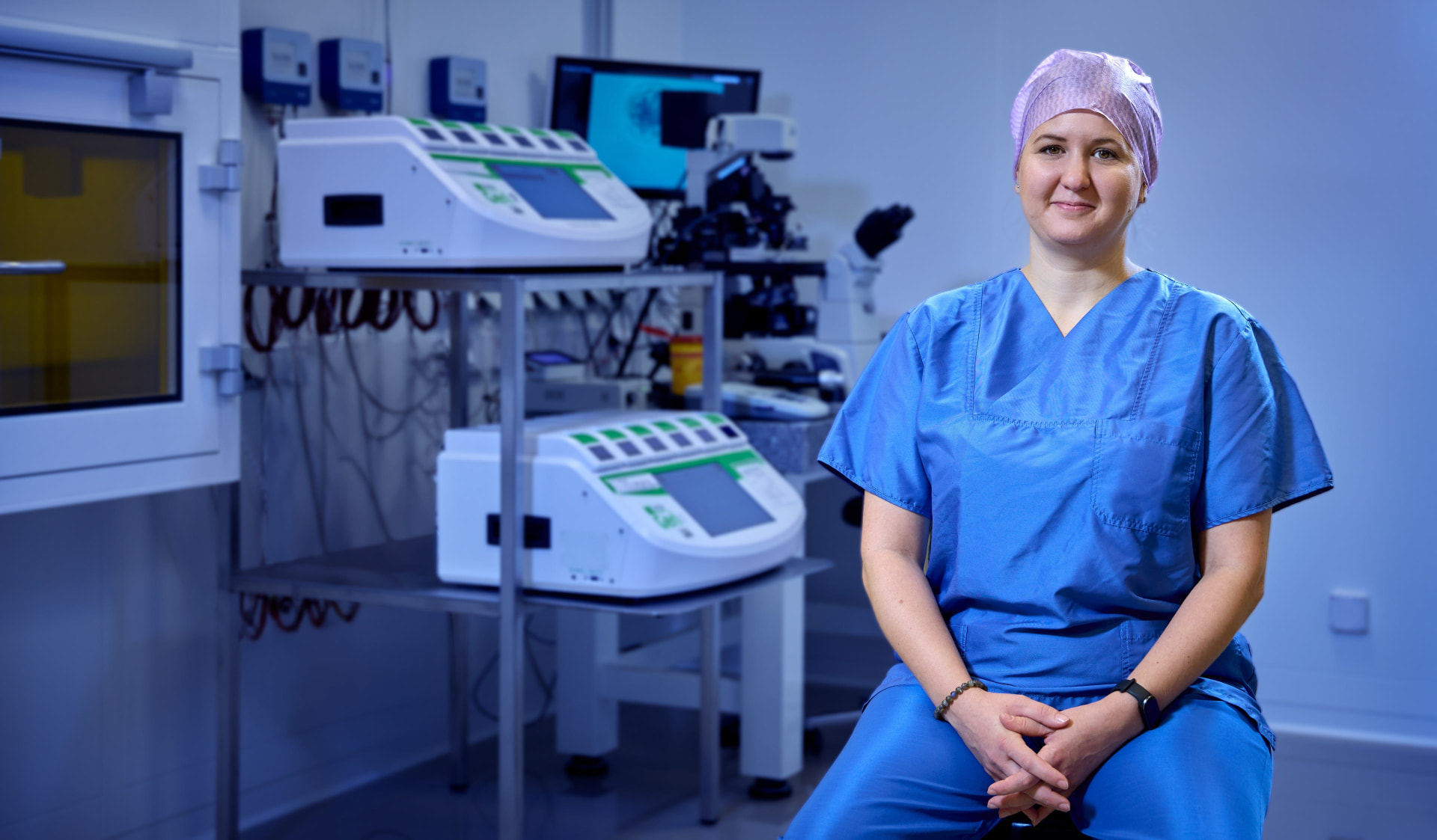
"Before, we had several different systems, and there were things that were not possible to monitor continuously. For us, having everything in one solution is a great step forward."
The challenge was therefore to establish an integrated monitoring environment that could cover the laboratory's different assets and environmental conditions. Continuous records help teams review changes over time, including temperature recovery after an incubator is opened, rather than relying only on isolated readings. In cryogenic storage, the monitoring plan needs to consider which measurements and equipment signals can reveal a change in storage conditions; temperature alone does not establish the cause of a problem.
Just as important was the ability to detect abnormalities and ensure that alarms reached the right people, including outside normal working hours.
For Gyöngyvér and her team, knowing what is happening inside the equipment is only the first step. They also need to know when something changes, even when nobody is physically present in the laboratory.
"I want to be able to follow and see what is happening inside the equipment 24 hours a day, seven days a week."
Choosing the right partner: expertise matters
Finding the right monitoring solution required a thorough evaluation of the laboratory's needs.
Alexandra and her colleagues, including physicians and embryologists, considered what needed to be monitored and how the different requirements could be brought together.
The decision was not simply about selecting a general environmental monitoring system. LUKS wanted a fit-for-purpose solution specifically designed for the requirements of an IVF laboratory.
"We didn't want a general monitoring system. We wanted something specifically designed for an IVF laboratory."
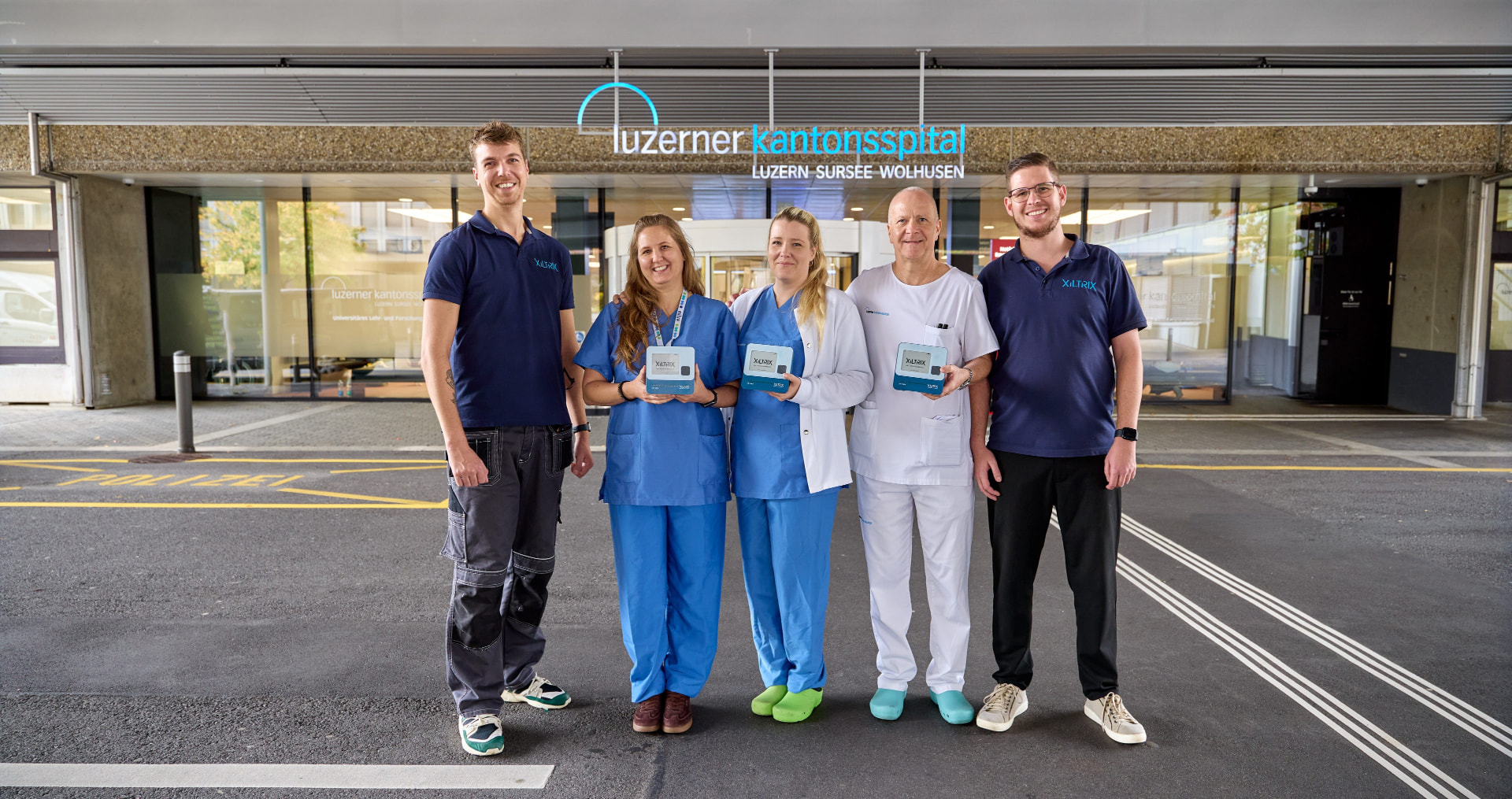
XiltriX was selected because its solution could bring together the monitoring of the laboratory's different critical systems within one integrated platform. Previous customer references and discussions with other hospitals also contributed to the decision.
For Gyöngyvér, the quality of the collaboration was equally important. She particularly appreciated the team's responsiveness and its understanding of the specific requirements of IVF laboratories.
"Throughout the whole process, I felt that XiltriX was really specialised in IVF. I could trust what XiltriX suggested and what XiltriX told us. XiltriX really understood what embryologists need for a suitable environment for embryos."
From plans to reality: making it work
Implementing a comprehensive monitoring solution in a newly developed IVF laboratory required close coordination between the hospital, its technical partners and the XiltriX team.
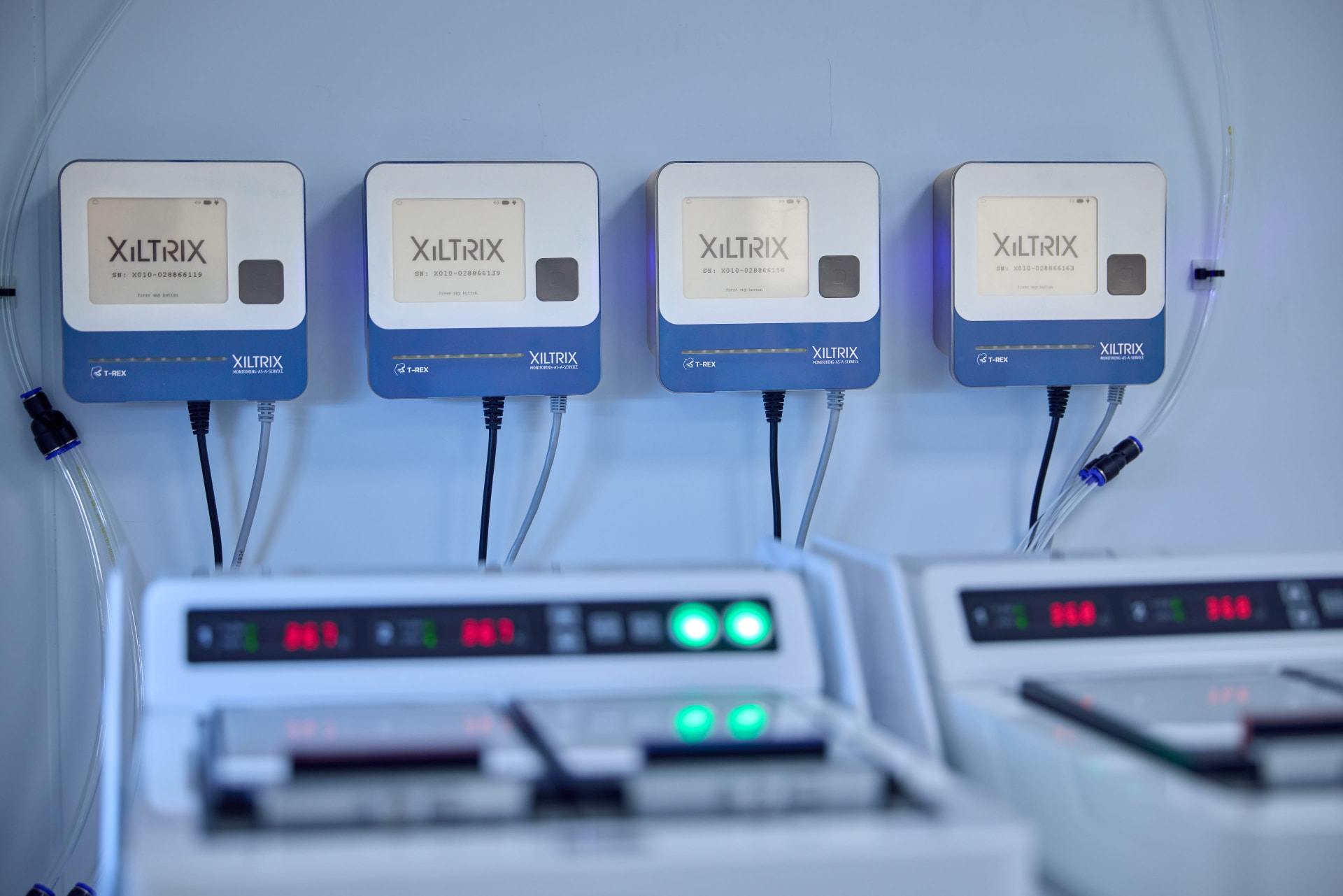
Working alongside the local team, XiltriX installed and commissioned the monitoring infrastructure across the laboratory's different areas. The implementation covered:
- Cryogenic storage tanks and liquid nitrogen storage
- Incubators and micromanipulators
- Refrigerators and freezers
- Heated plates and other laboratory equipment
- Laminar airflow cabinets
- Environmental monitoring of laboratory and storage rooms
Monitoring stations and sensors were installed, calibrated and tested. Door contacts and alarm functions were checked, and the alarm notification chain was configured and tested through telephone and email notifications. For IVF laboratory monitoring, this commissioning work connects the measurement to a practical response: suitable sensor placement, agreed alarm thresholds and a tested escalation path to the hospital's own contact persons. The clinical team remains responsible for responding to equipment and environmental alarms; XiltriX technical support addresses issues with the monitoring system itself.
At LUKS, XiltriX integrates with Genea's Geri benchtop incubator and with the Astec MN-2 Mini Bench Top Incubator, using the Astec units' analogue outputs. These connections bring equipment readings into the laboratory's wider IVF incubator monitoring and documentation environment.
For the Esco laminar airflow cabinets, XiltriX can monitor the built-in Pt1000 sensors. LUKS instead chose independent XiltriX surface temperature sensors. This distinguishes the available integration option from the measurement approach selected by the laboratory.
The implementation also involved adapting to the realities of the new facility. Some equipment layouts differed from the original plans, and adjustments to cable routing and equipment connections were needed. Rather than simply following the original drawings, the teams worked together to determine the final equipment positions and adapt the installation to the actual needs of the laboratory.
The XiltriX implementation team worked closely with the IVF staff throughout this process, including a complete handover and commissioning review.
"XiltriX was very cooperative and flexible. Whenever we had questions, XiltriX answered them. XiltriX was open to our specific needs and solved the things we asked XiltriX to change."
Following commissioning, the monitoring stations and sensors were online, and the alarm chain had been tested. The installation was positively received by both the laboratory users and the clinic's management.
The impact: confidence, control and peace of mind
For the people working in an IVF laboratory, responsibility does not end when the working day is over. Embryos remain in culture for several days, while cryopreserved reproductive material may be stored for many years. The conditions must be monitored continuously, including during evenings, nights and weekends.
The new system provides the team with continuous visibility of critical equipment and environmental conditions, alongside alarm notifications when measurements move outside the configured parameters.
This also changes how the team can respond to alarms. Instead of automatically travelling to the laboratory whenever an alarm occurs, embryologists can first use the application to understand what is happening and assess whether an immediate visit is necessary.
Alexandra expects this to have a positive effect on her team's working lives:
"Less working hours, more life and more quality of life."
Gyöngyvér also describes the personal difference that comes with having greater confidence in the monitoring system:
"I can sleep well. I can really trust in the system and go home knowing that the monitoring is safe."
Beyond the immediate treatment: the importance of documentation
One particularly important aspect of the new monitoring environment is the continuous documentation of critical conditions.
LUKS also has a substantial fertility preservation programme for patients who need to preserve their reproductive material before undergoing treatments such as chemotherapy. Their samples may remain in storage for many years. Some patients may return after twenty years or more when they are ready to start a family.
For Alexandra, being able to demonstrate the conditions under which these samples have been stored is essential.
"It is very important that we can show and prove that there has been continuous monitoring and continuous documentation throughout all that time."
This is where the value of monitoring extends beyond the immediate operation of the laboratory. It provides a documented history that can be reviewed long after the original treatment or preservation procedure. For patients, this contributes to confidence in the quality and traceability of the processes entrusted to the hospital.
In the wider European context, IVF quality and traceability discussions may refer to ISO 15189 for medical laboratories, the EU Tissues and Cells Directive and the developing framework of the EU Substances of Human Origin (SoHO) Regulation. Their applicability depends on the jurisdiction and the activities involved: LUKS is in Switzerland. Continuous environmental records can contribute evidence for a laboratory's quality procedures and audits, but do not, by themselves, establish accreditation or regulatory compliance.
Looking ahead: building on a strong foundation
Reproductive medicine continues to evolve, with increasingly sophisticated procedures and growing technical requirements.
For Alexandra, the new laboratory creates opportunities to develop the department further, supported by modern infrastructure and a more comprehensive monitoring environment. As the workload grows and procedures become more complex, the need for continuous monitoring and reliable documentation will become increasingly important.
"I think this continuity and high quality of monitoring will become more and more essential as our workload grows in the future."
The collaboration with XiltriX is intended to continue beyond the initial installation, with opportunities to refine the system and adapt it as the laboratory's needs evolve.
For LUKS, the new monitoring environment is an important part of the foundation for the next chapter of reproductive medicine. For the people working in the laboratory, it means greater visibility, better information and more confidence in the conditions they are responsible for every day.
And ultimately, it supports what matters most: providing patients with the highest possible standard of care throughout their journey towards parenthood.
In their own words
- Why did LUKS choose a monitoring system designed for IVF?
- "We didn't want a general monitoring system. We wanted something specifically designed for an IVF laboratory."Prof. Dr. med. Alexandra Kohl Schwartz, eMBA, Head of Reproductive Medicine, LUKS
- What changed compared with the previous monitoring set-up?
- "Before, we had several different systems, and there were things that were not possible to monitor continuously. For us, having everything in one solution is a great step forward."Prof. Dr. med. Alexandra Kohl Schwartz, eMBA, Head of Reproductive Medicine, LUKS
- Why are stable conditions so important in the IVF laboratory?
- "We need to mimic the natural environment of the woman's body. This means keeping all the environmental factors very stable."Gyöngyvér Téglás, MSc, Co-lead IVF laboratory, LUKS
- What does the IVF team need to see?
- "I want to be able to follow and see what is happening inside the equipment 24 hours a day, seven days a week."Gyöngyvér Téglás, MSc, Co-lead IVF laboratory, LUKS
- Why does continuous documentation matter for fertility preservation?
- "It is very important that we can show and prove that there has been continuous monitoring and continuous documentation throughout all that time."Prof. Dr. med. Alexandra Kohl Schwartz, eMBA, Head of Reproductive Medicine, LUKS
- How was the collaboration with XiltriX?
- "XiltriX was very cooperative and flexible. Whenever we had questions, XiltriX answered them. XiltriX was open to our specific needs and solved the things we asked XiltriX to change."Gyöngyvér Téglás, MSc, Co-lead IVF laboratory, LUKS
Explore the monitoring parameters across the IVF, ART and fertility laboratory journey.
About Luzerner Kantonsspital (LUKS)
Luzerner Kantonsspital is a university teaching and research hospital serving central Switzerland. Its activities span a broad range of medical specialities, including reproductive medicine, women's health and paediatrics.
About XiltriX
XiltriX is a global operational resilience provider through environmental monitoring solutions for critical environments in healthcare, life sciences and research. XiltriX Resilience brings together Infrastructure, Intelligence and Care to provide continuous monitoring, alarm management, documentation and support for critical laboratory processes.
Nothing left to chance.