
ETZ Tilburg: thirty minutes of margin, and no more
New benchtop incubators cool down far faster than the boxes they replaced. The reaction window shrank, so the watch had to tighten with it.
- Monitoring since
- Over 20 years
- Overhaul
- 2022
- Reaction window
- 30 minutes
The change
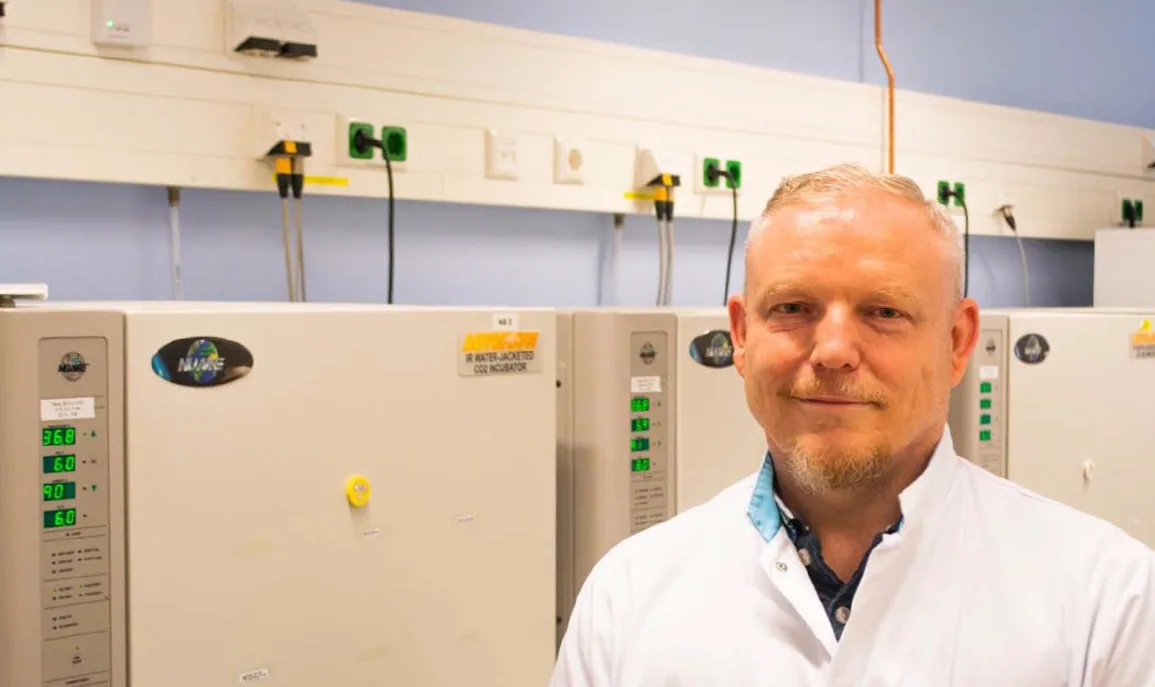
In 2022 the ETZ IVF laboratory replaced its water jacketed box incubators with Esco Miri benchtop incubators. At the same time the XiltriX system, already in use for almost two decades, was overhauled to match the new equipment.
Water jacketed incubators hold their temperature for hours. Benchtop chambers do not. The physics changed, and with it the amount of time anyone has to respond.
What that means in practice
Measurement frequency matters more than alarm volume. Updates arrive multiple times per minute, so a drift is visible while it is still a drift, and staff can be on their way before it becomes damage.
Two decades of history in the same system also gave the team a baseline. When a new chamber behaves differently from the rest, it shows up against years of recorded normal.
"In the new benchtop incubators we only have 30 minutes or less to get to the lab before embryos incur viability damage. Having XiltriX, which provides measurement updates multiple times per minute, allows for a rapid response."
This is the short read. The complete case study, with the original detail and figures, is in the library.
Read the full case studyFifteen years at Brussels IVF, one platform that kept growing
From cryogenic vessels to 23 benchtop incubators, cleanrooms, power and VOC levels, hosted inside the hospital IT network.
Hewitt Fertility Centre: future proofing a cryogenic repository
Centralised monitoring since 2005, extended into LN₂ control, automatic filling and a single project plan signed off by the NHS.
KWZ an der Oper Munich: moving before end of support arrives
Cryo store, andrology and embryology moved off an end-of-life system in one project, with sensor reuse assessed per measuring point.
Three ways forward.
Pick the one that fits where you are today.