
Fünfzehn Jahre bei Brussels IVF: eine Plattform, die mitwuchs
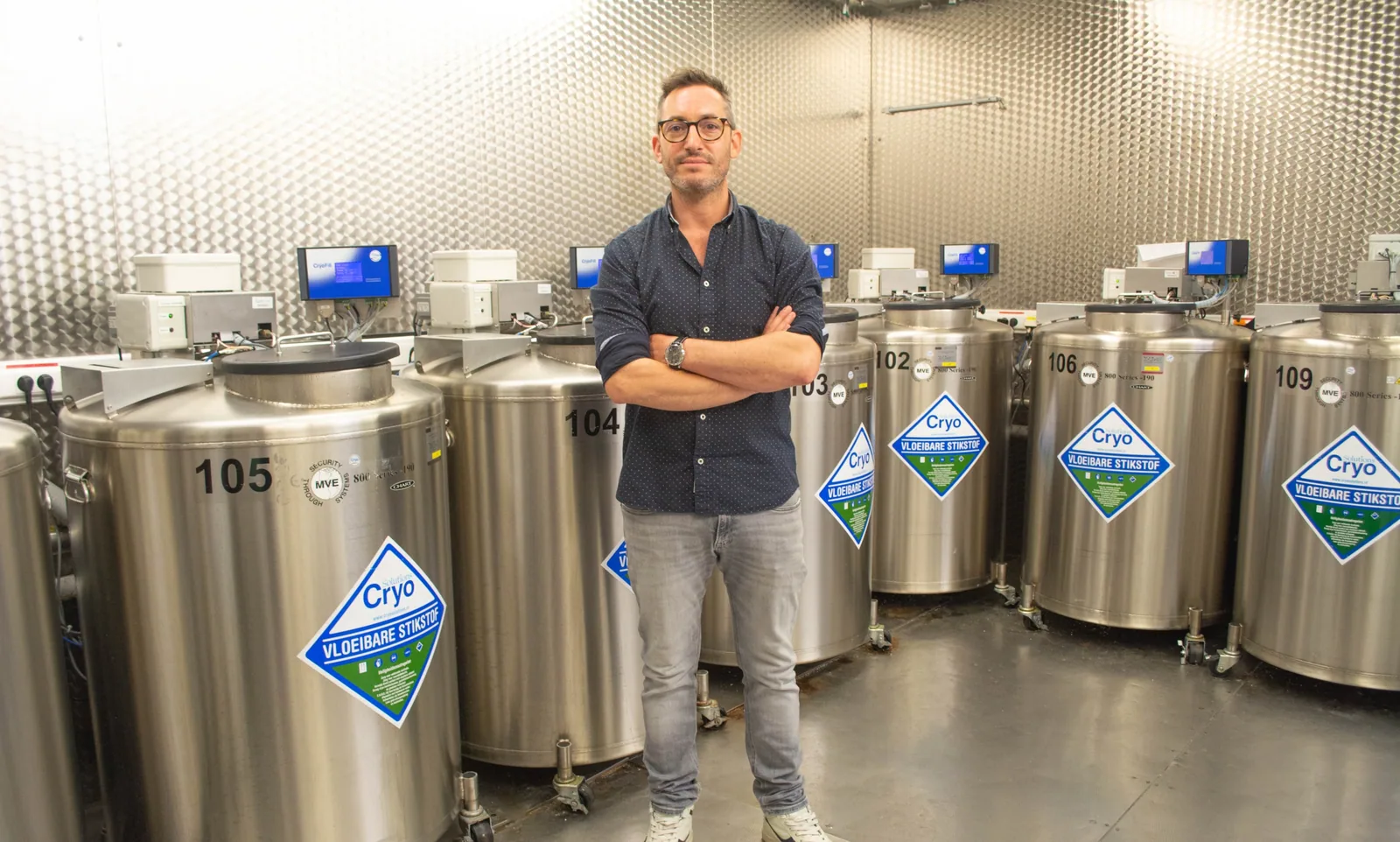
Was 2010 mit Sensoren an den wichtigsten Kryogefäßen begann, sind heute mehrere Hundert Sensoren in einem der größten Fertilitätszentren Europas.
- Partnerschaft seit
- 2010
- Tischinkubatoren
- 23
- Sensoren
- Mehrere Hundert
Die Ausgangslage
Brussels IVF, Teil des UZ Brussel, verlagerte 2010 Geräte in mehrere Laborbereiche. Das Zentrum benötigte eine einzige Plattform, die alles gleichzeitig im Blick behält, eingebettet im Netzwerk eines komplexen Universitätsklinikums statt daneben.
Erste Priorität war die Kryolagerung. Die Langzeitlagerung birgt ein stilles Risiko: Es scheint nichts zu passieren, bis bereits sehr viel passiert ist.
Was wir aufgebaut haben
Die Überwachung begann an den kritischsten Kryogefäßen und wuchs mit dem Labor mit. Heute umfasst sie 23 Tischinkubatoren, Reinraumbedingungen, Stromversorgung und VOC-Werte, mit mehreren Hundert Sensoren, die kontinuierlich melden.
Das System wird von der IT-Abteilung des Krankenhauses gehostet und unterliegt damit derselben Governance, derselben Zugangskontrolle und derselben Kontinuitätsplanung wie jedes andere klinische System vor Ort.
Der aktuelle Stand
Nach fünfzehn Jahren hat die Plattform mehrere Generationen von Laborgeräten überdauert. Jeder Gerätewechsel wurde zu einer Erweiterung desselben Überwachungsbilds statt zu einer neuen Alarminsel.
"Vollständige Überwachung und Transparenz über alle Parameter unserer Kryolagergefäße ist entscheidend, um die Risiken der Langzeit-Kryolagerung zu begrenzen."
Dies ist die Kurzfassung. Die vollständige Fallstudie mit allen Details und Zahlen finden Sie in der Bibliothek.
Vollständige Fallstudie lesenETZ Tilburg: dreißig Minuten Spielraum, nicht mehr
Ein zwanzig Jahre altes Überwachungssystem, überarbeitet im Zuge eines kompletten Inkubatorwechsels und auf ein deutlich kürzeres Reaktionsfenster abgestimmt.
Hewitt Fertility Centre: ein Kryolager zukunftssicher gemacht
Zentrale Überwachung seit 2005, erweitert um LN₂-Regelung, automatische Befüllung und einen einzigen Projektplan mit NHS-Freigabe.
KWZ an der Oper Munich: moving before end of support arrives
Cryo store, andrology and embryology moved off an end-of-life system in one project, with sensor reuse assessed per measuring point.
Drei Wege nach vorn.
Wählen Sie, was zu Ihrer heutigen Situation passt.